
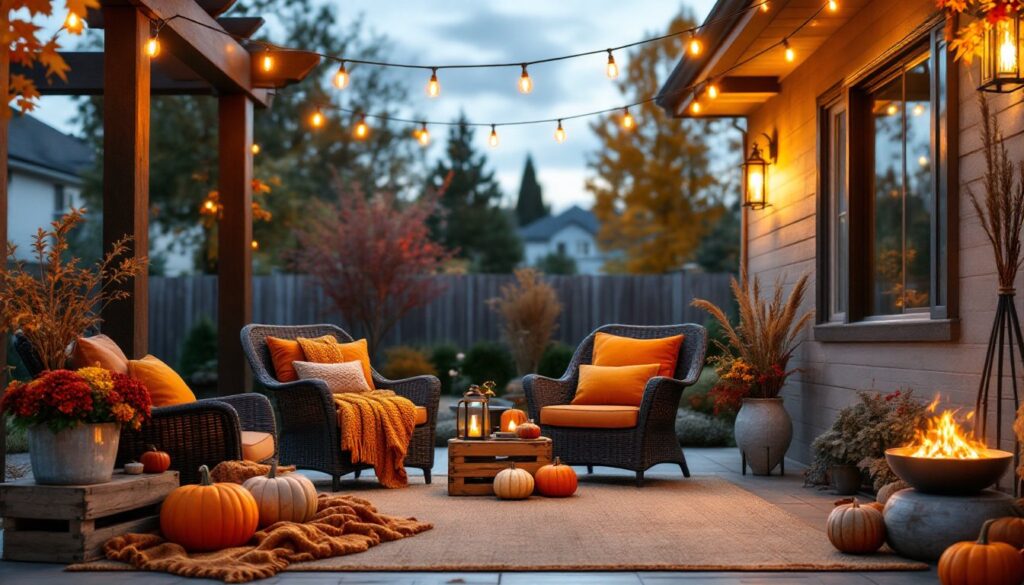
As temperatures drop and leaves turn, the patio doesn’t need to become a forgotten space. Fall offers one of the best opportunities to enjoy outdoor living, crisp air, no mosquitoes, and perfect weather for evening fires. Transforming a patio for autumn doesn’t require a full renovation or expensive furniture. With the right combination of textiles, natural elements, lighting, and seasonal accents, anyone can create an inviting outdoor retreat that extends livable square footage well into October and November. This guide covers practical, budget-conscious fall patio decor strategies that work whether someone’s staging a covered suburban deck or an open courtyard.
Key Takeaways
- Fall patio decor ideas thrive with layered textiles in rust, mustard, and burnt orange—swap cushion covers or add throw pillows and weather-resistant rugs to transform your space affordably.
- Real seasonal elements like pumpkins, gourds, corn stalks, and fall foliage cost less and look better than synthetic alternatives, lasting four to eight weeks in ideal outdoor temperatures.
- Warm white string lights (2700K–3000K), battery-powered lanterns, and fire features extend patio usability and create cozy evening ambiance as daylight shrinks.
- Rustic wood crates, galvanized metal buckets, and reclaimed wood signs anchor fall patio decor while adding texture and a farmhouse aesthetic.
- Live fall plants like mums, ornamental grasses, kale, and Japanese maples keep patios feeling fresh and inviting longer than seasonal decorations alone.
- Arrange seating in conversational clusters and add beverage stations or heating options to encourage guests to linger and enjoy outdoor entertaining into October and November.
Create a Cozy Foundation With Textiles and Seating
The fastest way to shift a patio’s feel from summer to fall is through layered textiles. Outdoor-rated throw pillows and blankets in rust, mustard, burnt orange, and deep brown instantly signal the season without permanent changes. Look for fabrics labeled solution-dyed acrylic or polyester with UV and mildew resistance, these hold up to morning dew and surprise rain showers better than indoor textiles.
Pillows should have zippered covers for easy washing, and removable inserts stuffed with polyester fiberfill dry faster than foam. Stack three to five pillows per seating spot in varying sizes (18-inch, 20-inch, and 22-inch squares work well together). Drape a chunky knit or faux-fur throw over chair arms or the back of a bench. Even if it’s decorative and not truly weatherproof, bringing it inside after use takes seconds.
If existing patio furniture feels too summery, consider swapping out cushion covers rather than replacing entire pieces. Many outdoor furniture retailers sell seasonal cover sets that slip over standard cushions. For budget-conscious decorators, indoor throw blankets from discount home stores work fine if they’re brought in after each use, just don’t expect them to survive a week of exposure.
Adding a weather-resistant outdoor rug anchors the seating area and adds warmth underfoot. Polypropylene rugs handle moisture well and come in autumn-appropriate patterns, geometric designs, faded Persian-style prints, or solid terracotta tones. A 5×7-foot or 8×10-foot rug fits most standard patio seating clusters. Shake it out weekly to prevent dirt buildup, and hose it down mid-season if needed.
Embrace Autumn Colors Through Natural Elements
Fall decor shines when it incorporates actual seasonal harvests and foliage rather than synthetic replicas. Real elements cost less, look better, and can be composted afterward.
Pumpkins, Gourds, and Seasonal Produce
Pumpkins are the backbone of fall patio styling. Mix sizes and varieties for visual interest: small sugar pumpkins (6 to 8 inches), medium carving pumpkins (10 to 14 inches), and large heirloom varieties like Jarrahdale (blue-gray) or Cinderella (deep orange, flattened shape). Cluster them in odd-numbered groups, three, five, or seven, at different heights using overturned crates, plant stands, or stair steps.
Gourds add texture. Warty knuckleheads, swan gourds, and speckled varieties create contrast against smooth pumpkin skins. Arrange them in galvanized buckets, wooden bowls, or wire baskets. For longevity, choose pumpkins and gourds with intact stems and no soft spots. They’ll last four to eight weeks outdoors in temperatures between 50°F and 70°F. Once night temperatures consistently drop below freezing, they’ll deteriorate faster.
Beyond pumpkins, consider ornamental corn, Indian corn with multicolored kernels, or bundles of wheat stalks tied with jute twine. Cornstalks (sold in bundles of three to five stalks, usually 5 to 6 feet tall) can flank a doorway or be lashed to porch columns with natural-fiber rope. They dry out over the season, so expect some leaf drop, sweep weekly.
Fall foliage branches, cut from the yard or purchased from florists, bring height and drama. Maple, oak, and sweetgum branches with colorful leaves last one to two weeks in water. For longer-lasting options, choose branches with berries (winterberry, bittersweet) or preserved eucalyptus, which holds its color for months.
Layer in Warm Lighting for Evening Ambiance
As daylight shrinks, thoughtful lighting extends patio usability and creates atmosphere. Fall evenings call for warm white bulbs (2700K to 3000K color temperature) rather than the cooler daylight tones used in summer.
String lights remain the easiest ambient solution. Edison-style bulbs with visible filaments or globe lights strung overhead on 16-gauge or 14-gauge wire (thicker than cheap seasonal sets) handle wind and weather better. If the patio has a pergola or covered structure, drape lights in a zigzag or parallel line pattern across beams. For open patios, run string lights between shepherd’s hooks or fence-mounted hooks placed 8 to 12 feet apart. Use outdoor-rated extension cords (look for a “W” in the coding, like SJTW) and weatherproof outlet covers.
Battery-powered or solar lanterns offer flexible accent lighting without running cords. Place them on side tables, steps, or the ground along walkways. Metal lanterns with glass panels hold pillar candles or LED candles: many now come with timers that automatically turn on at dusk. Look for units with at least an IP44 rating for water resistance.
For those with existing landscape lighting, consider swapping in amber or orange bulbs for October. Low-voltage LED path lights (typically 12-volt systems) are easy to re-lamp, and the warmer tones highlight fall plantings and decor without the harsh glare of standard white.
Flame lighting, fire pits, chimineas, or tabletop fire bowls, adds both warmth and visual draw. If adding a new fire feature, check local fire codes and HOA rules. Many municipalities require fire pits to be at least 10 feet from structures and have a spark screen. Propane fire tables offer cleaner, more controllable flames than wood-burning options and don’t require ash cleanup.
Add Rustic Touches With Wood and Metal Accents
Rustic materials, reclaimed wood, galvanized metal, and wrought iron, ground fall decor and add texture that complements natural elements.
Wooden crates, either new or vintage, serve as risers, planters, or storage. Stack two or three crates of different sizes to create tiers for pumpkin displays or potted mums. Crates made from pine or cedar hold up better outdoors than particleboard. If using untreated wood, a coat of exterior polyurethane or deck sealer extends life, though many decorators prefer the weathered look that develops naturally.
Reclaimed wood signs, either DIY or purchased, bring a personalized touch. A simple “Welcome” or “Gather” painted or stenciled on a 1×8 or 1×10 pine board (actual dimensions 3/4″ x 7-1/4″ or 3/4″ x 9-1/4″) leans against a wall or hangs from jute rope. Sand the board lightly with 120-grit sandpaper, apply a base stain if desired, then add lettering with acrylic paint and a stencil or freehand brush. Seal with a matte-finish polyurethane spray.
Galvanized metal buckets, watering cans, and tubs tie into the farmhouse aesthetic many fall themes favor. Use them as planters for mums, ornamental kale, or grasses. Drill three to five 1/2-inch drainage holes in the bottom with a step bit to prevent waterlogging, standing water kills plants faster than cold.
Wrought iron or metal plant stands elevate containers and add vertical dimension. Tiered stands (two or three levels) work especially well in corners or beside doorways, displaying a mix of pumpkins, potted plants, and lanterns.
For a quick DIY accent, bundle three to five 2-inch to 3-inch diameter branches (birch, aspen, or any straight hardwood) with twine or wire and prop them in a corner or large urn. The vertical lines add height without blocking sightlines.
Incorporate Fall Florals and Greenery
Live plants keep a patio feeling fresh rather than staged. Chrysanthemums (mums) are the go-to fall bloomer, available in burgundy, gold, bronze, and white. Purchase plants in bud rather than full bloom for a longer display, typically three to four weeks outdoors. Mums prefer full sun (six-plus hours daily) and consistent moisture. Plant them in containers at least 10 inches in diameter with drainage holes, using a quality potting mix (not garden soil, which compacts).
Ornamental grasses, like fountain grass (Pennisetum), maiden grass (Miscanthus), or purple moor grass (Molinia), add movement and texture. Their feathery plumes and arching blades soften hard patio edges. These are typically sold in 1-gallon or 3-gallon containers and can overwinter in the ground (hardiness varies by variety and zone) or be treated as seasonal annuals.
Ornamental kale and cabbage tolerate cooler temps better than mums and actually improve in color after a light frost. Their rosette shapes and purple, white, or green leaves provide structure in containers. Pair them with trailing plants like creeping Jenny or sweet potato vine for contrast.
Asters and sedum (especially ‘Autumn Joy’) bloom late and attract pollinators through October. Both are perennials in most zones and can be planted directly in the ground if the patio borders a garden bed.
For foliage, potted Japanese maples, especially varieties with red or burgundy leaves, make dramatic seasonal statements. Place a small potted specimen (3 to 5 feet tall in a 10- to 15-gallon container) as a focal point. These are an investment piece but can be used year after year.
Dried hydrangea blooms, either cut from the garden or purchased, last weeks in arrangements. Their muted tones, beige, dusty pink, sage green, blend seamlessly with fall color palettes.
Style Your Patio for Entertaining and Gatherings
Fall patios should invite lingering. Arrange seating in a conversational cluster, chairs and loveseats facing each other, no more than 8 feet apart, rather than a single file along a wall. An outdoor coffee table or two small side tables keep drinks and snacks within reach.
If the patio lacks a permanent table, a folding or lightweight dining set works for seasonal use. Dress it with a table runner in plaid, burlap, or a fall print. Layer in cloth napkins, mason jar drinking glasses, and simple stoneware plates in earth tones. Real dishes feel more intentional than disposables and hold up better on windy days.
Provide warmth options for guests. Keep a basket of rolled fleece or wool blankets near seating. If the patio has a propane or electric patio heater, position it to one side of the seating area rather than the center, this avoids creating a hot spot and allows better furniture arrangement. Tabletop heaters work well for smaller spaces but have limited range (typically 3 to 4 feet).
Consider adding a beverage station on a side table or bar cart: a coffee urn or insulated dispenser for hot cider, mugs, stir sticks, and small bottles of flavored syrups or bourbon for spiking. A galvanized tub filled with ice holds bottled drinks or canned cider.
For evening gatherings, supplement ambient string lights with task lighting, a small LED lantern on the dining table or a clip-on book light attached to a serving cart makes it easier to see food and drinks without harsh overhead floodlights.
Finally, prep the patio for weather shifts. A covered storage bin (deck boxes made from resin or wood work well) keeps extra blankets, cushions, and decor dry. If the forecast calls for heavy rain or wind, a two-minute pickup, tossing loose pillows, lanterns, and lightweight decor into the bin, prevents damage and saves the next day’s cleanup time.